
You can plug a USB charger into your phone and expect it to work. You don’t think about the pins, the heat, or the safety rules behind that simple moment.
Standards make that kind of everyday reliability possible. They are agreed-upon rules that keep products safe, consistent, and compatible across companies.
Without standards, chaos would spread fast. Factories could ship parts that don’t fit. Hospitals could get tools that behave differently. New suppliers might guess what “good” looks like, and mistakes would cost lives.
That’s why different industries need standards, even when their products look nothing alike. These rules protect people first. They also improve quality, cut waste, and make global trade easier. In the sections ahead, you’ll see how standards work in high-risk fields, why they help products work together, and how they keep up with today’s green and tech demands.
How Standards Keep Everyone Safe and Build Trust
Safety is the main reason standards exist. When many teams build and test products, you need a shared set of rules. Otherwise, each supplier follows its own idea of “safe enough.”
Standards set expectations for materials, design limits, and process checks. They also define how testing should run. As a result, the same type of risk gets handled the same way, no matter which supplier ships the part.
In aviation, that matters because small failures can have huge outcomes. Aerospace quality standards like AS9100 push suppliers to meet strict requirements for design, production, and audit trails. The goal is simple: fewer surprises, better parts, and calmer decisions under pressure. For a clear overview of how AS9100 supports consistent quality and supplier control, see benefits of AS9100 certification.
On construction sites, standards do a similar job. They tell crews what safety gear to use, how structures should be inspected, and what limits materials must meet. That can protect workers from collapses and also reduce risk to nearby communities. The safety case is not vague. It comes from documented rules, training, and inspections.
Trust also follows safety. When a customer sees a credible standard being followed, they do not have to guess. They can assume the product passed a known benchmark.
Here’s a simple way to picture it. Think of standards like seat belts and guardrails. You might never “notice” them until something goes wrong. Then you realize how much they reduce the odds of disaster.
Safety Wins in High-Risk Fields Like Aviation and Construction
High-risk industries run on one big promise: parts will behave the way they should. Standards help make that promise believable.
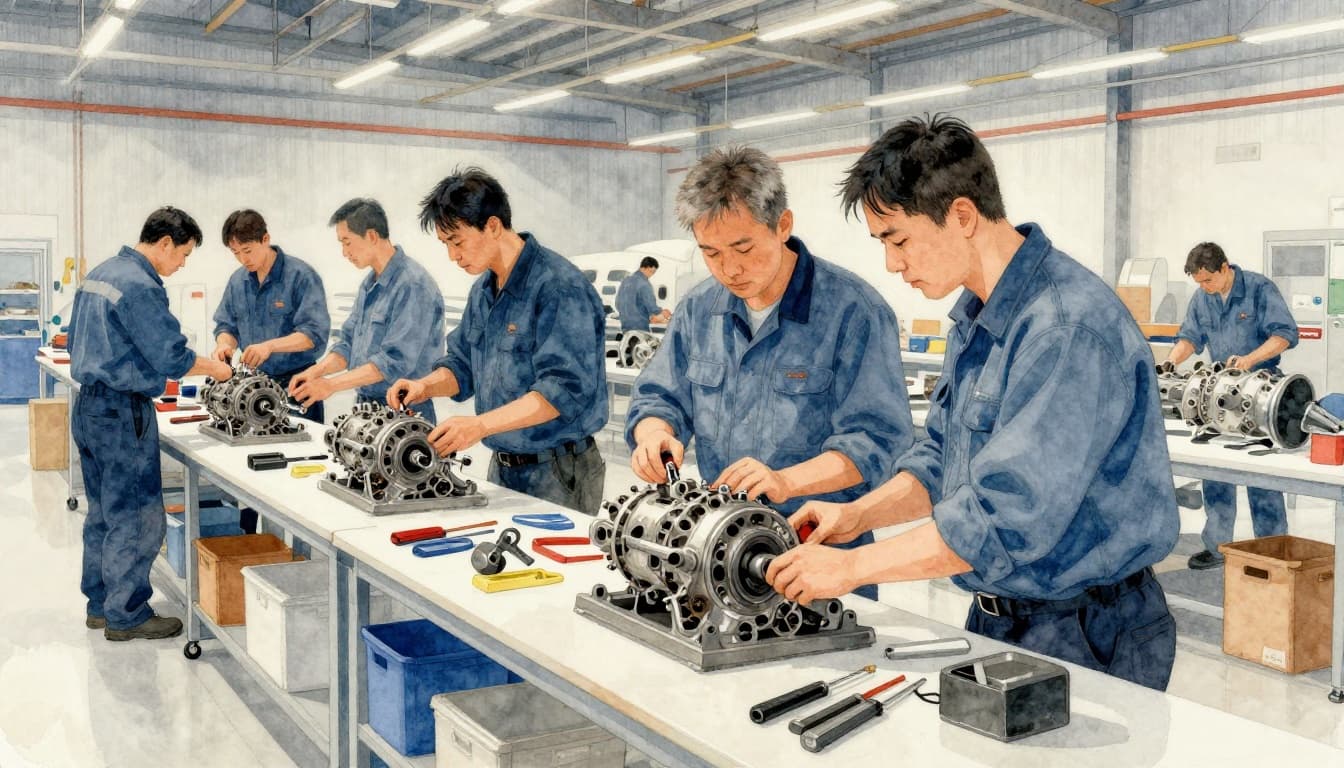
In aviation, parts come from many sources. An airline does not only rely on its own checks. It also relies on the work done upstream, at every supplier. Standards help by requiring traceability, defined inspection steps, and repeatable quality processes. When a manufacturer follows these rules, the next team can trust the build data they receive.
That trust can affect real outcomes. If a supplier uses a reliable testing process, fewer defects slip through. If documentation is consistent, repairs and replacements become faster. In short, standards do not just check boxes. They reduce the chance of “unknown unknowns.”
Construction adds another layer. People work around heavy equipment, heights, and unstable materials. Standards help by defining safe installation methods, approved anchors, and inspection routines. They also push training and procedures for fall protection, site safety, and hazard control.
However, the benefit is not only about preventing injuries. It’s also about keeping projects moving. When crews know what rules they must follow, they spend less time stopping work for avoidable rework. They also avoid delays tied to failed inspections.
If you’ve ever watched a team prepare for a tough job, you’ve seen the effect of standards. The checklist feels strict. Then the job stays on track.
Why Standards Make Products Consistent and Easy to Use Together
Standards do more than protect people. They make products act the same way for everyone.
Without standards, you’d see constant frustration. A charger might only work with one phone. A light bulb might fit one brand of socket but not another. A component might work in one factory but fail in another because materials or process settings differed.
Standards create consistency in both product design and manufacturing. That consistency reduces surprises, and it helps people use products with less instruction.
Interoperability is a major part of this. It means systems can “talk” and work together. For example, charging is not just a plug and a power cord. Modern electric vehicle charging often depends on shared communication rules between a vehicle and a charger.
ISO 15118 is one such example. It’s an international communication standard that supports features like secure identification and automated setup for EV charging. If you want a practical breakdown of how ISO 15118 works and why it matters, this guide is helpful: ISO 15118 and EV charging communication.
Standards also lower costs. When your design follows known requirements, you do not need to reinvent testing for every customer and country. You can reuse test data, and suppliers can follow the same acceptance checks.
Then there’s the “global parts problem.” Companies buy components from around the world. Standards make that easier because parts match documented specs. A factory does not have to modify everything it receives. It can build faster and reduce waste.
So the next time you think “Why does this connector matter?”, remember this: compatibility is what makes large supply chains practical.

Interoperability Magic in Tech and Automotive Worlds
In tech, standards keep daily life smooth. Your phone charger needs to fit your device. Your cable must carry power safely. Your devices should also follow common behavior patterns so charging does not stall or overheat.
That same idea spreads through automotive systems. Cars use many sensors and electronic modules. Standards help define performance expectations so parts can be tested against known results. It also supports safer upgrades and easier service, since shops can rely on predictable specs.
Food safety adds another form of consistency. When measuring methods match agreed rules, inspectors can compare results across plants. That makes it easier to catch contamination risks early and reduces the chance of uneven practices.
Even in fields that do not feel “technical,” standards still matter. They shape how people measure, test, label, and approve products. In other words, they remove guesswork.
And guesswork is expensive. It can also be dangerous.
Quality Boost in Healthcare and Manufacturing
Healthcare needs standards because patient safety depends on repeatable quality. When clinics and medical suppliers use quality systems, processes become more consistent. Staff training also improves because procedures stay documented.
In manufacturing, standards help too. Printed circuit boards, for example, are built with detailed process rules. If those rules differ across suppliers, electronics can fail early. That matters for everything from medical devices to consumer gadgets.
A common reference in this area is IPC acceptability guidance for electronic assemblies. One widely used publication is IPC-A-610J. It helps teams decide what workmanship is acceptable, which reduces disputes and supports consistent results.
Now connect that to real life. If a circuit board assembly meets a known acceptability standard, it’s less likely to develop issues from poor soldering or inconsistent component placement. That lowers returns and improves long-term reliability.
Quality also supports trust between buyers and sellers. When a healthcare buyer requests known quality practices, suppliers know what to prove. When a manufacturer ships a device, the next organization in the chain can rely on what they receive.
That matters because healthcare and manufacturing both depend on long chains of work. One weak link can break the whole process.
Saving Money, Sparking Innovation, and Fueling Global Trade
Standards can reduce costs in a way that feels almost boring. Yet it’s powerful.
First, they cut rework. If one company ships a part that matches a shared spec, the next company does not need custom redesigns and repeated testing. That means faster production and less scrap.
Second, standards make approvals easier. When testing methods are recognized, compliance reviews can move with fewer unknowns. Think of it like a background check that uses known forms. You still go through the process, but the rules do not change each time.
Third, standards help new technology roll out safely. When rules define baseline safety, companies can innovate without skipping protections. For instance, EV and charging tech can expand because communication and safety expectations exist. That also helps utilities, fleet operators, and developers plan projects with less guesswork.
Global trade benefits too. Standards help products cross borders because many markets rely on compatible test methods and technical requirements. When those rules line up, companies can sell more easily and respond faster to demand.
The economic picture supports this. In 2025, global trade exceeded $35 trillion, and it kept growing partly because shared rules reduce friction. Trade growth slows in