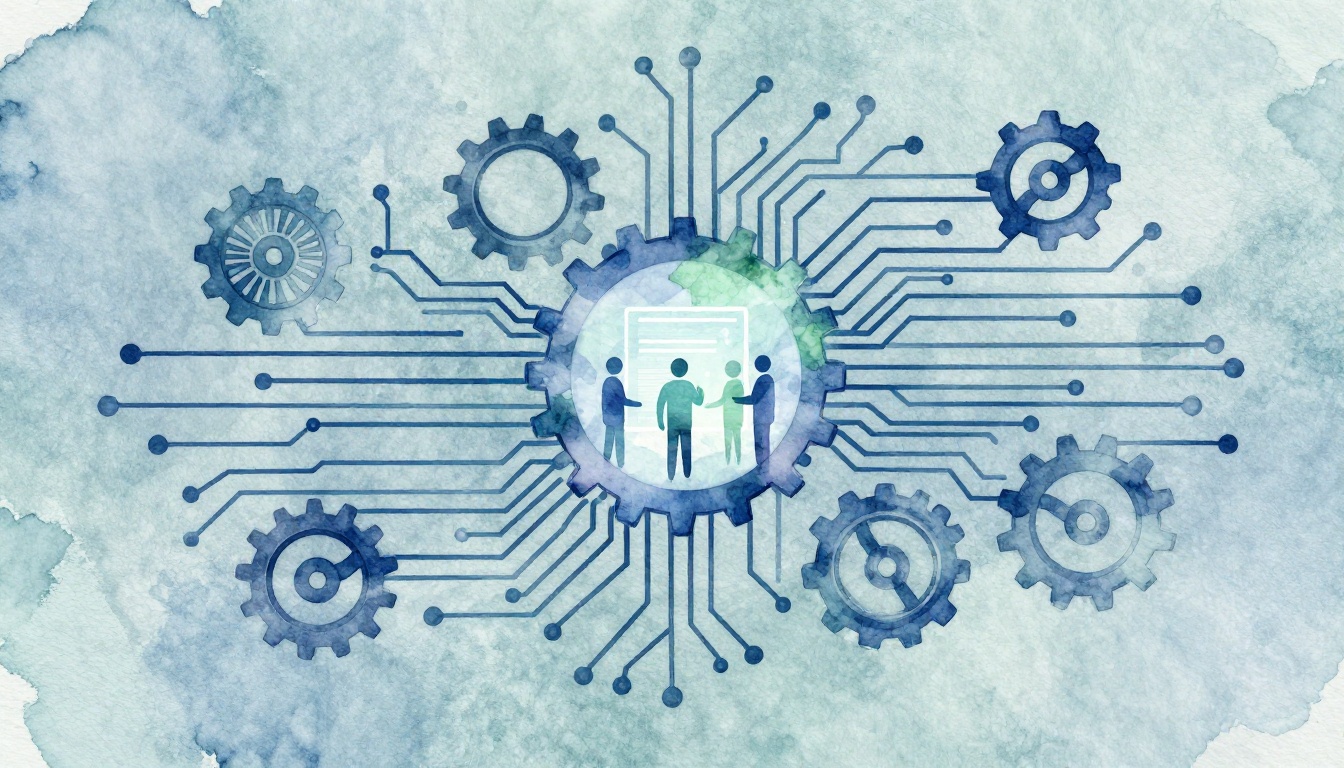
Ever seen two teams do the “same” task in two totally different ways? One group double-checks IDs at step one, another waits until later. The result is predictable: rework, missed rules, and frustrated handoffs.
That’s what standardization fixes. In simple terms, it means creating uniform ways of doing things so work repeats the right way, every time. When teams use the same steps, you get fewer errors, faster cycles, and clearer reporting.
The hard part is that paper SOPs and tribal knowledge don’t hold up at scale. People forget. Processes drift. Tools change. Then you end up with a mess that only shows up after problems cost money.
In March 2026, digital systems are making standardization much easier. They do it by mapping how work actually runs, automating the steps that must not change, and monitoring compliance in real time. When that foundation is solid, teams can adopt updates faster, train new staff quicker, and make decisions with cleaner data.
So the big question becomes: how do digital systems support standardization in practice? The answer is a mix of process mapping, process mining, automation, and real-world workflow examples that show the payoff fast.
How Digital Systems Map and Unify Your Workflows
Digital systems start standardization by answering a tough question: How is work really happening today? Instead of guessing, they track variations across teams and locations.
For example, customer onboarding often “looks” the same on paper. In reality, one sales team might verify identity before any signature. Another team might collect fields first, then verify later. Both can feel reasonable, but only one follows the approved flow.
A good way to unify workflows is through process mining. It pulls event data (timestamps, actions, handoffs) and turns it into a view of real paths taken. Then you can choose one best-practice route and reduce the number of “allowed” variations.

To see how process and task mining trends are shaping efficiency efforts in 2026, check out process mining and task mining trends for efficiency.
Beyond mapping, digital systems also connect the data teams need. When customer info, ID checks, pricing rules, and documents sit in separate silos, you get delays and inconsistent decisions. With shared data models, teams can follow one rule set, even as tools evolve.
Meanwhile, workflow tools (often BPM or similar platforms) let you update the process once and apply it across teams. In addition, dashboards can show who skipped a step, where the cycle time grows, and whether the workflow matches the standard.
Process Mining: Spotting and Fixing Inconsistencies Fast
Process mining works like a detective. It doesn’t rely on interviews alone. Instead, it analyzes logs and reveals the routes people actually take.
Imagine onboarding analysis for three regions. You might find that Region A always runs ID verification before document signing. Region B sometimes verifies after the signature request. Region C does both, but uses different data fields, which triggers extra QA review.
Then you fix the standard by choosing the approved path and locking in the required order. As a result, everyone gets the same flow, and the exception handling becomes intentional, not random.
The real win is speed. Instead of weeks of workshops and uncertain assumptions, you can spot the largest gaps first, fix the highest-impact steps, and roll out changes with less debate.
Just as important, teams align around evidence. When people see the same process map, they stop blaming each other. They start improving the workflow.
Automation and Dashboards: Enforcing Standards Every Day
Once you know the standard flow, automation makes it stick. It can run tasks in order, create documents, validate fields, and trigger the next step only when required inputs arrive.
Automation is especially powerful for steps that people tend to skip under pressure, like:
- identity checks
- duplicate account checks
- required consent collection
- secure document signing
- correct routing to the next team
Dashboards then close the loop. They show compliance signals and cycle time by team, region, or workflow version. So managers can spot drift early, not after customers complain.
Many teams also pair automation with a knowledge repository (playbooks, “how we do it” guides) and training modules for new hires. That combination helps because standardization isn’t only about steps. It’s also about consistent decisions.
When a new staff member joins, they follow the same workflow rules, guided by the system. Then they learn faster and make fewer mistakes, because the “right way” is built into the process itself.
Real-World Wins: Industries Transformed by Digital Standardization
Standardization isn’t theoretical. It shows up in sales, planning, and day-to-day operations.
In sales onboarding, digital identity, signatures, and payment steps often used to live in different tools. That setup creates delays and inconsistent compliance. With a single guided flow, teams can collect the same data in the same order, then hand work to the right party without guesswork.
Meanwhile, in business planning, teams struggle with version chaos. Forecasts update in spreadsheets, then nobody knows which numbers are current. Digital systems fix that by linking planning inputs to the same data sources and workflow steps.
Here’s a quick look at how different tool types support standardization in real companies:
| Tool type | Standardization outcome | What it changes |
|---|---|---|
| BPM workflow | Same steps, same order | Fewer skipped tasks |
| Process mining | One view of real work | Less process drift |
| AI planning agents | Consistent forecast logic | Fewer manual updates |
| Secure identity + signing | Same compliance checks | Cleaner onboarding |
The key theme is simple: digital systems reduce variation by design.
Sales Onboarding Made Frictionless
Some teams report that onboarding gets faster once verification, signatures, and payments connect in one standard flow.
For example, Tecalis discusses how 2026 trends point toward more structured digital sales processes (including identity verification and electronic signing) that can reduce friction in onboarding. You can see this framing in digital sales process trends for 2026 from Tecalis.
In practice, here’s what changes: First, the workflow collects the required onboarding data. Next, the system runs the standard identity checks. Then, it routes the case to the correct signing and payment steps.
As a result, every deal follows the same compliance logic. Also, reps stop improvising when a step fails, because the workflow defines what happens next.
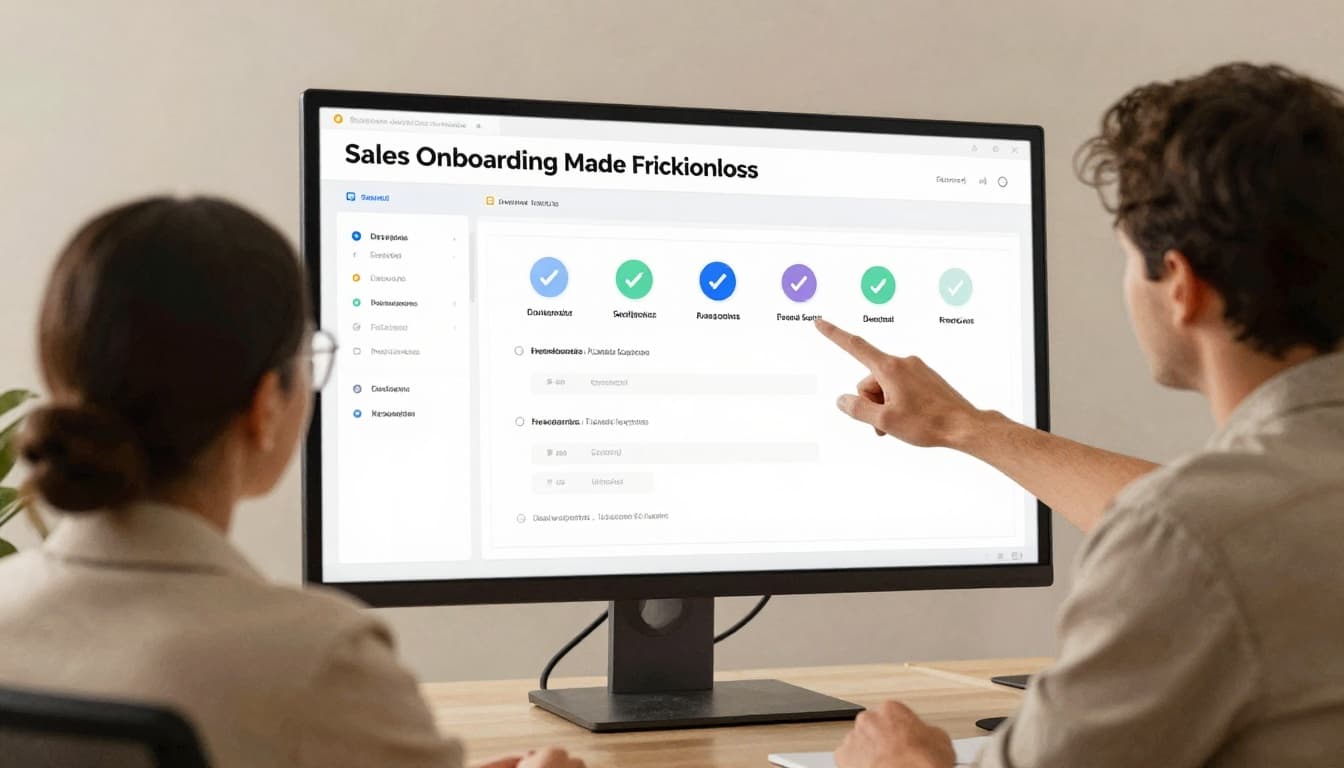
When onboarding is consistent, conversion often rises. Fewer customers drop off. Less time gets wasted on corrections. Plus, audits become easier because records match the standard workflow.
Smarter Planning with Real-Time AI Links
Planning gets messy when data and decisions don’t connect. Teams update numbers in one place, then build decks from another. Weeks pass, and the “latest” forecast still isn’t truly latest.
Digital planning systems solve that by treating planning like a live process. When forecasts need revision, the workflow pulls updated inputs, applies the same logic, and pushes the new plan to all stakeholders.
PrometAI talks about how digital transformation can reshape planning in 2026, with the idea that planning should act like a living system driven by connected inputs. See digital transformation in business planning 2026 from PrometAI.
Then teams get two benefits at once:
- fewer manual copy-paste steps
- more consistent decision rules across departments
Instead of cycles that take months, some organizations compress planning into weeks, sometimes faster. The system helps because it enforces one structure and one set of logic for every update.
2026 Trends: AI and Modular Tech Supercharging Standardization
In March 2026, standardization isn’t just about rules and workflows anymore. It’s also about how AI agents and modular systems move work along.
Agentic AI is one major shift. Rather than waiting for a human to trigger every step, AI agents can plan actions, call tools, and complete tasks within set rules. That kind of automation can raise processing speed by 30 to 50 percent in areas like workflows and customer service, based on recent business AI reporting.
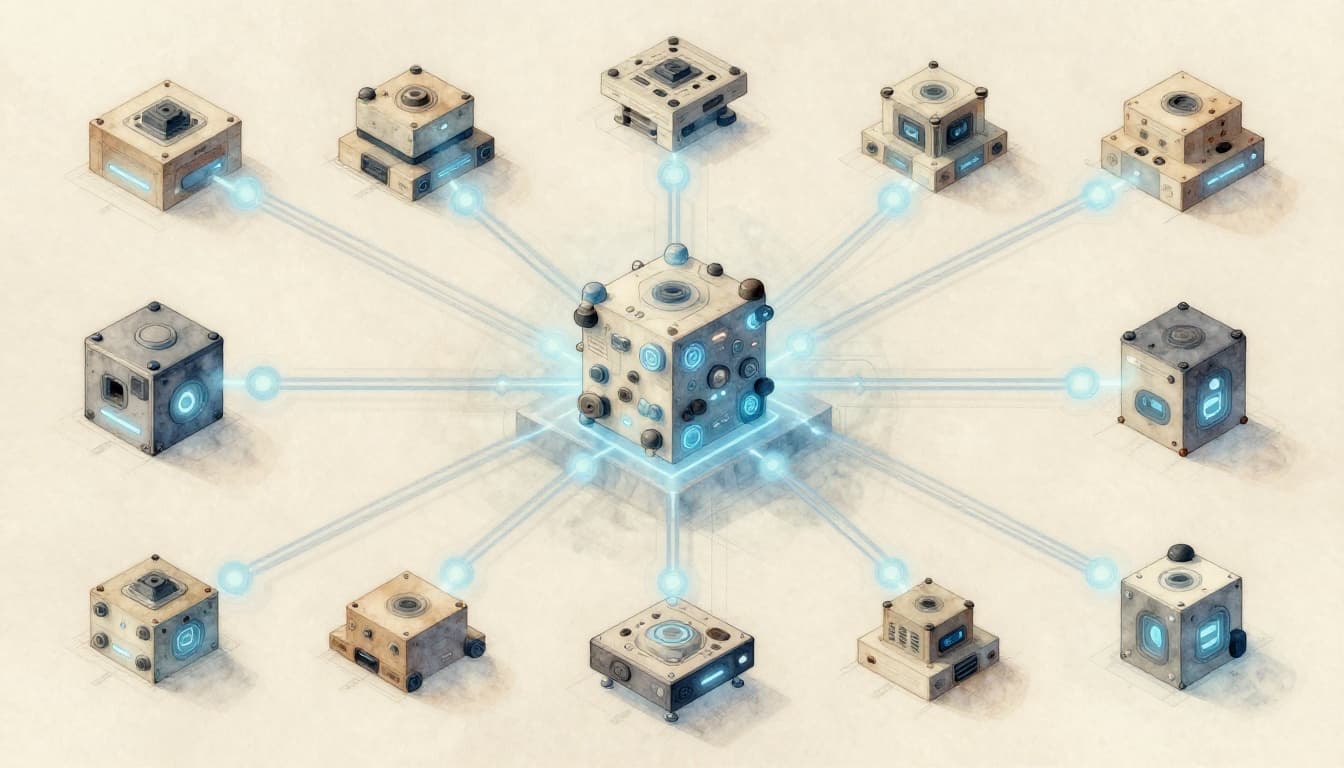
Another trend is modular or composable tech. Instead of one giant system, companies build workflows from smaller services. That matters for standardization because you can update one module without rewriting the whole process.
Trust and compliance still matter. When workflows include ID checks, signed documents, and regulated steps, standardization depends on reliable validation and clear audit trails. AI should help enforce the steps, not weaken them.
Finally, many teams add “AI-native” planning and decision support. The standard is the workflow, and AI helps apply it consistently. For a plain-language look at agentic AI trends to watch in 2026, see agentic AI trends to watch in 2026 from MachineLearningMastery.com.
Still, one caution: tools don’t standardize by themselves. You need governance, clear ownership, and training. Otherwise, people will work around the system when it feels hard or confusing.
The Payoffs: Efficiency, Savings, and Smarter Growth
When digital systems support standardization, the benefits show up fast.
Recent reporting on AI automation points to major wins in cost and speed. For example, AI automation can cut costs by 60 to 70 percent in key workflow areas, and speed up processes by 30 to 50 percent through fewer errors and faster handling.
Here’s what you can expect when standardization sticks:
- Faster processes: fewer handoffs and fewer rework loops.
- Lower costs: automation reduces manual effort, especially in repeats.
- Easier training: new hires follow the workflow, not guesswork.
- Better compliance: required steps happen in the right order.
- Real-time insights: dashboards reveal drift early, not late.
- Stronger customer experience: customers get consistent onboarding every time.
One reality check, though. You only get these payoffs if the system matches real needs. That means updating rules when tech changes, and keeping human owners responsible for the standard.
Conclusion
Digital systems support standardization by turning messy work into visible, repeatable workflows. They map what people actually do, automate the required steps, and track compliance with real data.
As March 2026 keeps bringing more AI and modular tools, the strongest teams will use them to enforce standards, not replace judgment. The result is faster work, lower costs, and decisions you can trust.
Start small: pick one process that suffers from variation, map it, then automate the steps that must never change. What process in your business creates the most frustration today?