
Ever plugged in a charger from another country and it worked the first time? That smooth moment usually comes from standards in global trade.
Standards are shared rules for product safety, quality, and performance. They help goods move across borders without each country reinventing the wheel. As a result, buyers can trust what they’re getting, and sellers can sell with fewer surprises.
In the sections ahead, you’ll see how standards reduce risk and cost, who writes them, where they help most, and where they can still cause friction in 2026.
What Trade Standards Really Are and Why They Matter
Trade standards are agreed-upon rules that tell companies what “good” looks like. They cover things like electrical safety, labeling, food safety tests, and how a product must perform under normal use. When two countries follow compatible standards, a product can cross a border with less delay.
Think of standards like a shared measuring tape. You still build the thing yourself, but the tape stays the same length. That shared reference makes contracts easier, inspections simpler, and shipping faster.
A common theme is simple: standards cut uncertainty. Instead of negotiating every detail from scratch, buyers and regulators can point to the same requirements. That’s why standardization is often described as “invisible infrastructure” for trade. For a practical overview of how this works in day-to-day commerce, see the Role of standardization in international trade from ANSI.
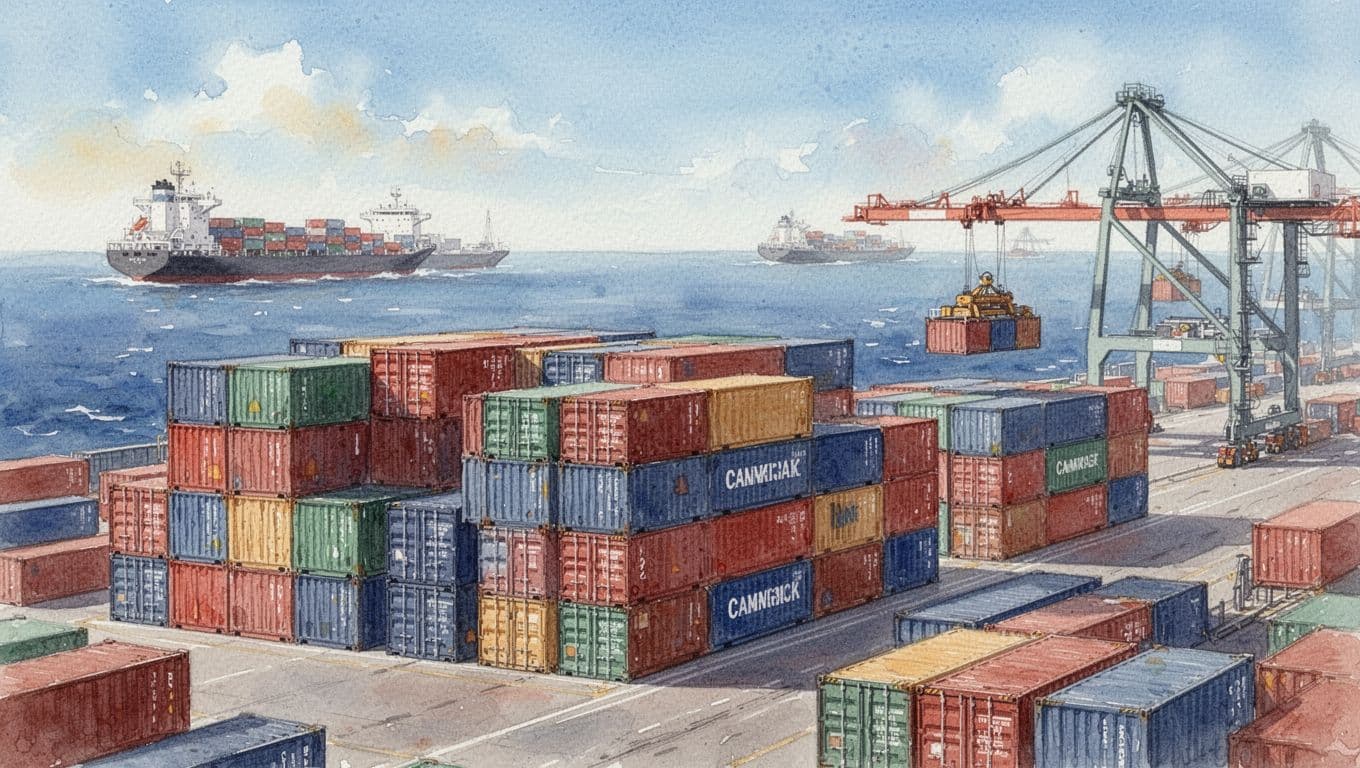
Even the logistics side benefits. Standard shipping containers are a famous example. They fit into the same cranes, trucks, and ports worldwide. Because of that fit, goods move faster, and transport costs drop. In other words, standards do not just protect people. They also help the whole system run.
Standards also support innovation. When firms know the rules, they can invest in better designs and testing. Meanwhile, shoppers benefit from fewer “mystery” products that vary wildly by country.
Voluntary vs. Mandatory: Which Rules the Road?
Not all standards work the same way. Some are voluntary, meaning companies choose to follow them. Others are mandatory because laws require them.
Here’s the easiest way to remember the difference: voluntary standards help you compete, while mandatory standards help you comply.
| Standard type | Who sets it | What it does in trade | Easy example |
|---|---|---|---|
| Voluntary | Industry groups and standards bodies | Helps products earn trust and fit market needs | A quality management approach firms adopt to market reliability |
| Mandatory | Governments through laws and regulations | Required to sell legally in a country | Safety rules for cars, medical devices, or fuel systems |
| Hybrid in practice | Both, often together | Firms may follow a voluntary standard to meet a legal requirement | Testing steps become “standard practice” even when law sets the outcome |
Voluntary standards show up when a company wants to prove it can deliver consistent results. For instance, many electronics use widely accepted technical standards for performance. No law may force every feature, but businesses still adopt the standard because customers expect it.
Mandatory standards show up when governments set safety or health rules. Those requirements can vary by nation, even when countries aim for the same goal. That’s where friction can happen. A product might meet one set of requirements but fail another. Then you get delays, rework, and extra paperwork.
However, that’s also why standards matter. They create clear expectations. Both buyers and regulators can check evidence, not opinions.
Everyday Wins for Businesses and Shoppers
Standards help small and mid-sized firms too. That might surprise you, but the math is often on their side. Without standards, each country could demand custom versions of the same product. That raises costs, training time, and testing expenses.
With standards, firms can design once, then adapt with fewer changes. As a result, they can scale exports without reinventing every detail. It also helps when a retailer or distributor needs predictable quality across regions.
For shoppers, standards reduce “risk you can’t see.” You do not inspect every material or test every component. Instead, you trust that a product met baseline requirements. Over time, these expectations become part of the buying decision.
Also, standards help businesses build long-term relationships. If you know your supplier follows a recognized standard, you plan production more confidently. You also reduce disputes. Fewer disputes means smoother delivery.
Standards can even speed up new product launches. When rules are stable, companies can invest earlier. They do not need to wait for every market to invent unique requirements.
That’s why your charger example feels effortless. Compatibility is not luck. It’s the result of shared rules for connectors, electrical performance, and safety.
In short, standards make trade calmer. And calm trade is cheaper trade.
The Key Players Crafting Global Standards
So who actually writes these rules? It’s a mix of standards organizations, national bodies, and international trade watchdogs. The goal is usually the same: reduce confusion, improve safety, and support fair competition.
Many standards are built through public processes. That means stakeholders can comment, propose changes, and ask for evidence. Even when agreements take time, they often pay off later when products enter new markets.
A key point is fairness. The party with the loudest voice can shape outcomes. That’s why it matters who participates and who gets resources to join the process. For a look at who shapes the rules and why it can affect development, read the World Economic Forum piece on who shapes standards.

ISO: The Quality Kingpin
ISO (International Organization for Standardization) is best known for setting broad standards across many industries. You’ll see ISO used for quality management and environmental practices. For many businesses, ISO standards help demonstrate that processes are consistent and measured.
For example, ISO 9001 is tied to quality management systems. It’s not a product label by itself. Instead, it covers how an organization runs its process, handles issues, and improves over time. That matters in trade because buyers want proof that production is stable.
ISO 14001 focuses on environmental management. That supports trade in sectors where buyers and regulators care about emissions, waste, and responsible operations.
When firms adopt these standards, they often find it easier to enter markets that expect evidence-based management. In other words, ISO helps turn “trust us” into “here’s the system.”
IEC and WTO: Tech Safety and Fair Trade Watchdogs
IEC (International Electrotechnical Commission) focuses on electrical and electronic standards. This is where many safety and performance rules come from for devices, components, and systems.
Meanwhile, the WTO (World Trade Organization) plays a different role. It helps prevent standards from becoming unfair trade barriers. One major area is the Agreement on Technical Barriers to Trade (TBT), which aims to keep technical rules from turning into disguised restrictions.
WTO guidance lays out principles for how international standards should be developed and used. It also pushes transparency so countries can see what’s changing and why. If you want the official framing, see the WTO page on principles for international standards under TBT.
Here’s the gotcha: standards can still block trade. That can happen when rules are too strict, not evidence-based, or designed in a way that favors local firms. That’s why WTO disciplines and consistent development processes matter.
Real Stories: Standards Fueling Trade Wins and Walls
Standards can help a country rise, and they can also explain why a product gets stuck.
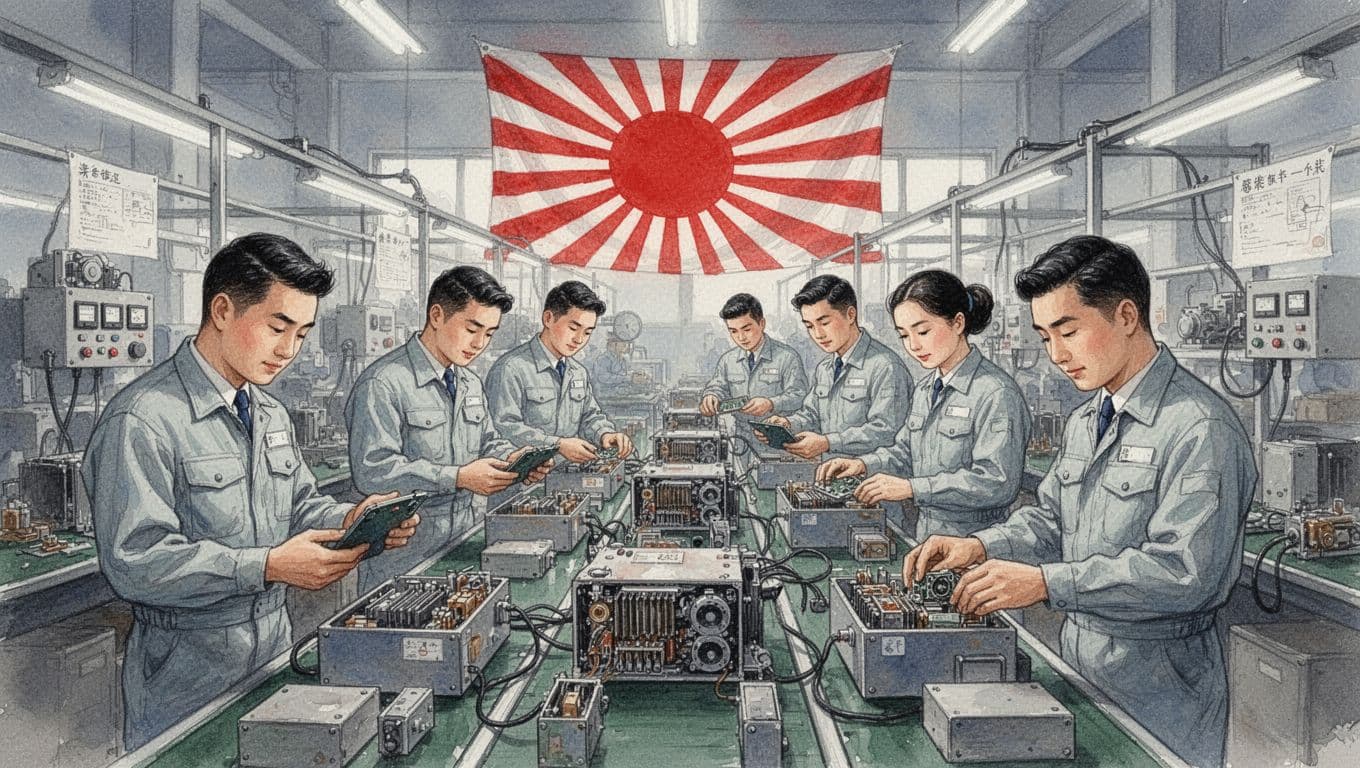
In many places, standards made “quality” something factories could repeat. After World War II, for example, Japan’s rebuild relied on strong process control and continuous improvement. Quality standards did not just raise output. They also improved reputation abroad.
Then there’s the other side. Standards can create walls when they get tangled in politics or disagreements about acceptable testing methods. Even when tariffs drop, technical rules can still slow trade.
A recent example of how “everyday” standards show up in policy is the U.S. government’s reminder that standards touch your daily life. The Trade Spotlight at trade.gov points out how standards show up from outlets to fuel nozzles. It also connects the idea to real market access and policy work. See there’s nothing standard about standards for that wider context.
Japan’s Quality Revolution
Japan’s story is a classic example of standards driving growth. After the war, many manufacturers pushed for better process control and reliable output. Quality moved from “some people are good” to “the system produces good results.”
Training mattered. Firms adopted management habits that treated defects as information. Then they used standardized methods to reduce variation. Over time, those methods helped Japan build trust in global markets.
This is the part people miss. Standards didn’t only help exports. They also improved work on the production line. When you measure and document, you can fix root causes instead of repeating the same mistakes.
Japan’s approach shows how standards can become a competitive strategy. If you can produce reliably, you can sell repeatedly. Buyers do not just pay for a product. They pay for predictable quality.
When Standards Slam the Door: US-EU Food Fight
Not every standards dispute looks like a product safety story. Sometimes it looks like a trade conflict.
A well-known case involved U.S. chicken exports and European rules tied to processing methods and chemical approvals. Even with other trade agreements and tariffs in place, the regulatory differences mattered. When one market bans specific approaches, exporters can’t just “ship the same thing” and expect acceptance.
This is where non-tariff measures can feel heavier than tariffs. Customs duties can be visible. Standards-based restrictions often arrive through inspections, evidence requirements, and conformity checks.
The key lesson is simple. Standards can act like a filter. If you don’t meet the standard, you do not enter the market. If you meet it, you can compete more fairly.
Most importantly, standards disputes show why transparency and mutual recognition matter. If countries work toward shared tests and shared evidence, trade slows less and companies rework less.
Fresh Trends: Standards in 2026 and Beyond
In 2026, trade pressure is high. That’s partly because tariffs and other barriers keep changing. According to recent trade trend reporting, the global economy faces slowing trade, with more new trade measures in 2025 and ongoing regional disruptions.
When trade gets unstable, standards can do two opposite things. They can add predictability, or they can become another set of hurdles. The outcome depends on how countries update rules and how openly they coordinate.
One fresh trend is how standards connect to development goals. The World Bank’s World Development Report 2025, titled Standards for Development, frames standards as a form of “infrastructure.” That matters because it ties standard-setting to real outcomes like trust, access, and the ability to export.
For developing countries, participation is the issue. If a country can’t test products, certify compliance, or join technical discussions, it risks falling behind. On the other hand, joining standard efforts can help exporters meet buyer needs sooner.
Another trend involves technology and new sectors. Think about batteries, medical devices, telecom equipment, and software-driven services. As products get more connected, standards must cover both safety and how systems work over time. Testing methods need to keep up.
Finally, harmonization is a moving target. Some trade fights push countries toward “my rules, your rules.” Others push toward shared approaches, especially when consumer safety and environmental goals overlap.
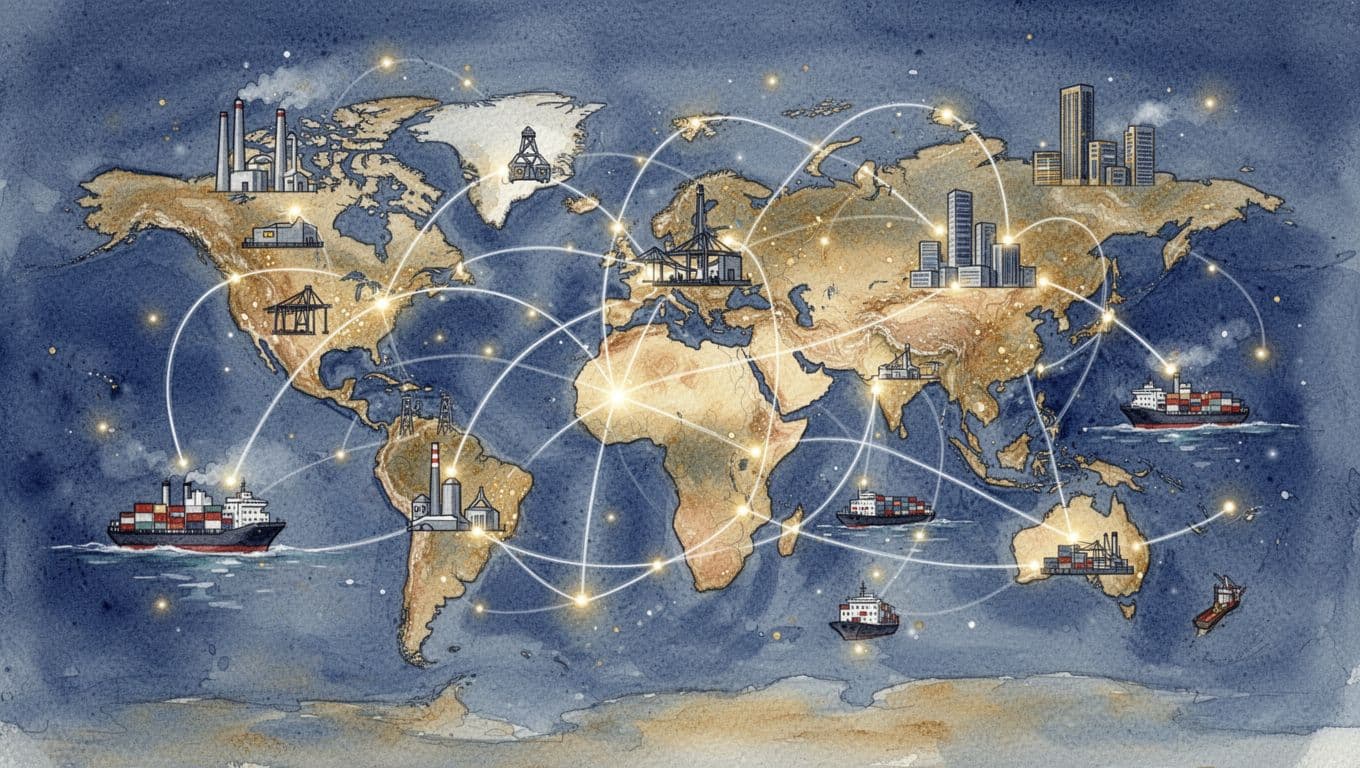
Standards work best when they’re evidence-based, transparent, and updated through open processes.
So what should you watch next? In the near term, expect more scrutiny of conformity assessments. Also expect more attention to how standards affect small exporters, not only big brands.
Conclusion
The hook behind your “works first try” charger is the same hook behind global trade. Standards in global trade keep products safer, quality steadier, and cross-border deals easier.
Standards also shape who wins and who gets stuck. They can power growth, like Japan’s quality push. They can also block exports when rules become mismatched or politicized.
If you’re a business buyer, a seller, or even just a curious shopper, take one practical next step. Check which standards and certifications your suppliers use, then see whether they match your target markets. That one habit can prevent delays before they start.
And the big question for 2026 is worth keeping in mind: when countries upgrade their rules, will they coordinate for shared trust, or build new walls?